Skip to content
We don’t have to tell you that Michigan winters can be pretty brutal. With nightly lows often dipping below the 20° mark and about a week’s worth of below-zero temps each winter, it can be challenging to keep your home warm. And even if you do manage to keep your house comfortable, you may pay for it (literally) in the form of high heating bills.
But there are a few things you can do to help keep your castle cozy while also keeping your power bills manageable. We’ll share some of the most helpful steps you can take and identify some of the most common mistakes homeowners make below.
Common Reasons Michigan Homes Lose Heat Quickly
Before sharing some of the leading strategies for keeping your home warmer this winter, we should begin by explaining some of the leading reasons that some Michigan homes lose heat and why it can be so challenging to stay warm in the Great Lakes State.
- Extreme Temperatures: Simply put, winters are frigid in our state, and the large temperature difference between your home and the outdoors increases the rate at which heat is lost.
- Older Homes: Many Michigan homes were built decades ago and feature outdated insulation and drafty windows that allow warm air to escape.
- Insufficient or Deteriorated Insulation: Michigan attics, walls, and crawlspaces often lack proper insulation, and some simply have old insulation that has settled or degraded over time.
- Air Leaks and Drafts: Gaps around doors, windows, rim joists, chimneys, and attic hatches all allow warm air to escape and cold air to seep into your home.
- Inefficient Windows and Doors: Single-pane or older double-pane windows tend to lose heat rapidly, especially when seals have become worn out.
- Uninsulated Basements and Crawlspaces: Large areas of exposed foundation allow a significant amount of heat to transfer into the ground.
- Poorly Sealed Ductwork: Leaky ducts allow heated air to penetrate unconditioned spaces, especially when the ducts are located in basements or attics.
- Outdated Heating Systems: Older furnaces often cycle inefficiently, causing uneven heating and faster cooling between operational cycles.
- Wind Exposure: Michigan’s winter winds increase the rate of heat loss drastically, especially in rural areas, lakeshore regions, and wide-open properties.

Smart Ways to Reduce Heating Costs Without Sacrificing Comfort
There are a number of ways to keep your home warmer without causing your electric bills to spike, including some that involve upgrades to your home and others that simply require you to make changes to your daily life. We’ll discuss both approaches separately below.
Everyday Habits That Keep Your House Warmer
If you want your home to start feeling warmer right now, you can implement a number of lifestyle changes at little to no cost. Some of the best examples include:
- Keep interior doors open during the day. Keeping your bedroom and bathroom doors open promotes better airflow and helps your heating system distribute warm air more evenly.
- Use heavy curtains or thermal drapes at night. By closing your curtains after sunset, you’ll reduce the amount of heat lost through windows (but be sure to open them back up on sunny days).
- Reverse your ceiling fans. By changing the direction your fans spin (make them turn clockwise), they’ll push warm air down from the ceiling without creating a draft.
- Move furniture away from vents and radiators. Blocking your registers reduces internal house airflow and makes rooms feel colder than they should.
- Layer area rugs over bare floors. Bare floors can allow a significant amount of heat to escape your home, so use rugs to insulate your floors and make walking around more comfortable.
- Close off unused rooms if possible. Reduces the space your system needs to heat—but avoid closing too many vents, as this can create pressure issues.
- Use space heaters strategically. Space heaters can be helpful, but only use them to warm the room you’re actively using and always follow safety guidelines.
- Cook, shower, and do laundry during colder parts of the day. These activities actually generate a lot of heat and humidity that’ll quickly make your home feel warmer.
- Dress in warm indoor layers. Staying comfortable allows you to keep the thermostat slightly lower while still feeling warm and cozy.
- Mind your thermostat settings. Lowering your thermostat by even a degree or two at night or when you’re away can make a noticeable difference in your power bills.
You don’t have to employ all of these tactics to enjoy a warmer home. Just try to identify the best ones for your home, family, and lifestyle, and start implementing them now.
Home Upgrades That Will Keep Your Home Warmer
Home upgrades may require more of an investment than simple behavioral changes, but they also provide better results and will help keep your home warmer for years.
- Add or upgrade your attic’s insulation. Attics are the number one source of heat loss in most homes, so upgrade to R-49 or higher insulation if possible.
- Seal any air leaks you can find. Caulking and weatherstripping around doors, windows, rim joists, attic hatches, and plumbing pipes helps prevent drafts.
- Install energy-efficient windows or storm windows. Modern double- or triple-pane windows (or cost-effective storm windows) greatly reduce heat loss.
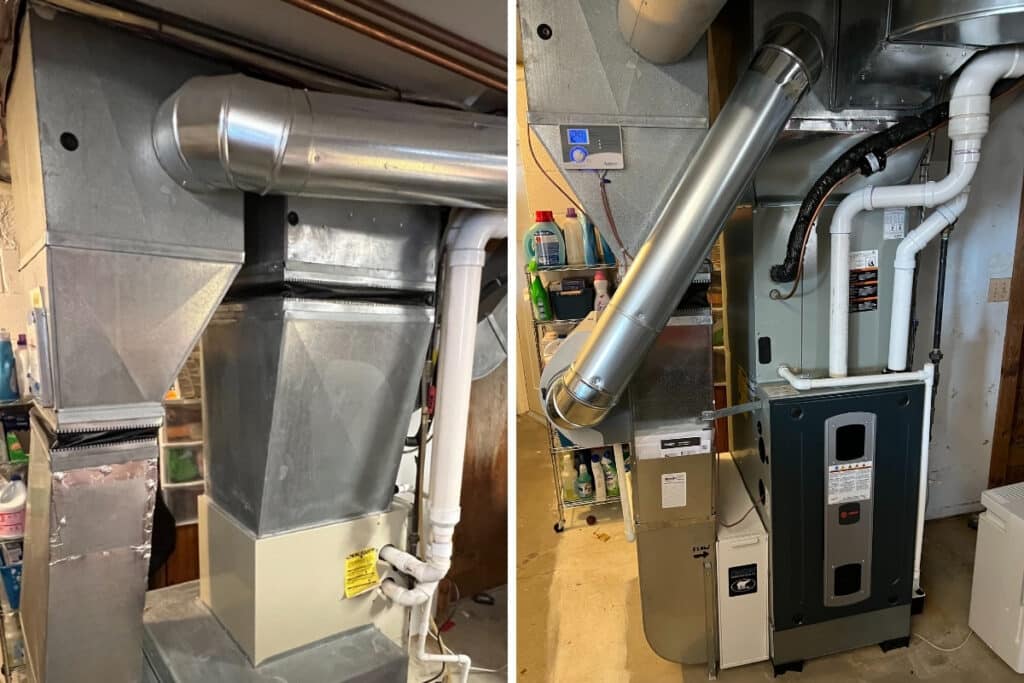
- Upgrade to a high-efficiency furnace or boiler. Switching to a high-efficiency system (95% AFUE or better) can save hundreds of dollars per year in heating costs while keeping your home warm.
- Add insulation to your basement or crawlspace. Insulating these spaces — including the rim joists and foundation walls — helps keep your floors warmer and reduce heat transfer to the ground.
- Improve the sealing and insulation of your ductwork. Sealed and insulated ducts ensure more heated air reaches your living spaces instead of leaking into your basement or attic.
- Install a smart or programmable thermostat. Programmable thermostats help reduce temperature swings and maximize comfort while minimizing wasted energy.
- Consider heat pump technology. Modern cold-climate heat pumps can supplement or replace traditional furnaces and offer high efficiency even in Michigan’s icy conditions.
- Upgrade old exterior doors. New insulated steel or fiberglass doors reduce drafts and improve your home’s thermal envelope.
If you think that a new furnace or heat pump would be the most effective way to improve your home’s comfort, contact the professionals at Dynamic HVAC. We’ll schedule an on-site inspection and provide a free estimate for everything you need.
Common Heating Mistakes Michigan Homeowners Make
In an attempt to make their home warmer, many Michigan homeowners make a few key mistakes that actually prevent them from enjoying maximum indoor comfort and cause them to waste money unnecessarily. So, be sure that you’re not making any of the following mistakes before upgrading your home or adjusting your lifestyle:
- Cranking the thermostat too high during cold snaps. Your furnace can only heat your home so fast; turning it up just makes it run longer and wastes energy without improving your immediate comfort.
- Neglecting furnace filter changes. Dirty filters restrict airflow, reduce the efficiency of your heater, and make homes feel colder even when the furnace is working hard.
- Blocking vents with furniture or rugs. Blocking your vets disrupts airflow throughout your home, creates cold spots, and forces your heating system to work overtime.
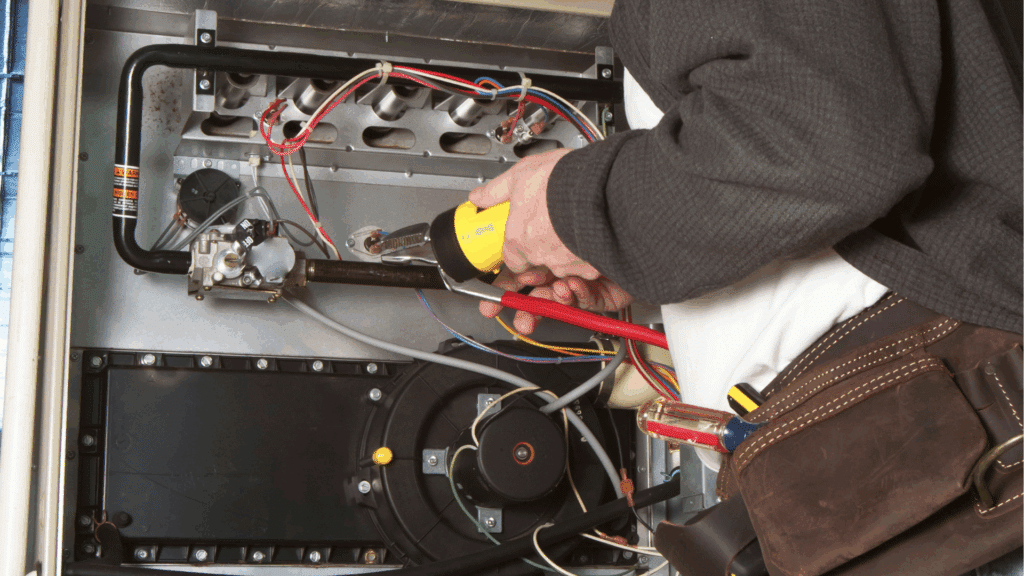
- Skipping annual furnace maintenance. Regular maintenance helps address small issues and allows you to make repairs before they lead to higher bills, uneven heating, or system failure.
- Ignoring air leaks around windows, doors, and rim joists. Drafts are one of the biggest energy wasters in Michigan’s climate, yet many homeowners let warm air escape all winter long.
Winter Heating in Michigan: FAQ
Still have questions about keeping your home warm during Michigan’s winters? We’ve rounded up a few of the most common questions our customers have and answered them below.
What temperature should you keep a house in Michigan during winter?
Typically, Michigan residents should set their thermostat at 68° Fahrenheit, but you can lower it slightly when you’re sleeping or away from the house to save a bit of money.
What month does Michigan start to warm up?
Michigan can start warming up anytime between March and May, though it varies a bit from one year to the next.
What are the 4 P’s in freezing weather?
The four Ps of freezing weather are people, pets, plants, and pipes, meaning that those are the four critical things to keep warm during sub-freezing temperatures.
At what temperature do pipes freeze in a house?
Pipes can start freezing if the temperatures start falling below 20° for a few hours, particularly if the pipes are exposed.
Does homeowners’ insurance cover frozen pipes?
Most homeowners’ insurance policies will cover damage resulting from frozen pipes, but they rarely cover the actual pipe repairs themselves — those are typically considered ordinary maintenance.
Does opening cabinets prevent frozen pipes?
Yes, opening your cabinets can help prevent pipes from freezing, assuming that your home’s interior is warm.

Let Dynamic HVAC Keep Your Michigan Home Warm All Winter!
If you’re ready to upgrade your furnace, boiler, or heat pump, contact the professionals at Dynamic HVAC. We’ll be happy to arrange for a free on-site inspection, estimate, and carry out any work you need. We’ve been providing unmatched heating and cooling services for homeowners in Clarkston, Bloomfield Township, Auburn Hills and the rest of Southeast Michigan for more than 20 years, and we’d love to provide the HVAC solutions you need.
Contact us today to get started and see the Dynamic HVAC difference yourself!
Sources & References
- DTE Energy – “Understanding and Managing Your Winter Energy Bill”
Provides practical guidance for Michigan homeowners on reducing winter heating costs, improving furnace efficiency, and managing seasonal energy use.
https://empoweringmichigan.com/understand-and-take-control-of-your-winter-energy-bill/ - U.S. Department of Energy – “Fall and Winter Energy-Saving Tips”
Offers government-backed strategies for lowering heating expenses, improving home energy efficiency, and preparing HVAC systems for cold weather.
https://www.energy.gov/energysaver/fall-and-winter-energy-saving-tips - U.S. Department of Energy – Energy.gov
The official DOE homepage provides comprehensive resources on energy efficiency, heating systems, and national energy guidance for homeowners.
https://www.energy.gov/